Friday, 29 April 2016

Proud to provide PMC services for Dr. Anji Reddy Memorial, Hyderabad


Kallam Anji Reddy (01 February 1939 – 15 March 2013) was an Indian entrepreneur in the pharmaceutical industry, the founder-chairman of Dr. Reddy's Laboratories, which he established in 1984, and chairman of Dr Reddy's Foundation (DRF), the corporate social responsibility arm of the group, established 1996.

The Government of India honoured him with the Padma Shri in 2001 and later with the Padmabhushan for his contribution to the Indian pharmaceutical industry. He was a member of the Indian Prime Minister's Council on Trade and Industry.

After graduating from the local high school, Reddy went on to get his first Bachelor of Science degree from A.C. College at Guntur in 1958. He then earned his BSc-Tech in Pharmaceuticals and Fine chemicals from UDCT, Mumbai followed by a PhD in chemical engineering from the National Chemical Laboratory, Pune in 1969.

Dr. Reddy succumbed cancer on 15 March 2013 at the Apollo Hospital in Hyderabad. He is survived by his wife, son and daughter.

The Dr. Anji Reddy Memorial was conceived in order to celebrated. Reddy's life and works. Designed by Mindspace Architects, the project commenced in June 2015 on a 0.8 acre parcel of land in Hyderabad. Masters' Hyderabad office was involved as the Project Management Consultants from inception till the recent handover and completion in April 2016.

ard2
 ard1

 
To know more about Masters PMC, visit - www.masterspmc.com

Contact us - +91 22 64567600

Wednesday, 13 April 2016

Summer Site Safety Precautions - Heat Stress

http://masterspmc.com/

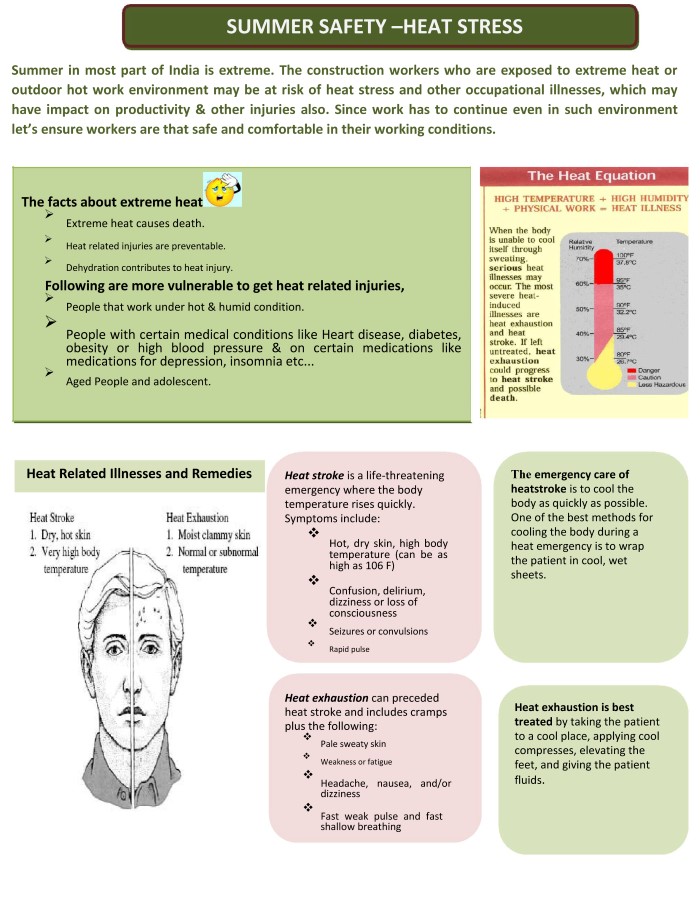
Summer in most parts of India is extreme. Construction workers who are exposed to extreme heat or a hot work environment may be at risk of heat stress and other occupational illnesses, which could have an impact on productivity as well as lead to other injuries. Since work often has to continue even in such environmental conditions let’s ensure workers are that safe and comfortable in their working conditions.
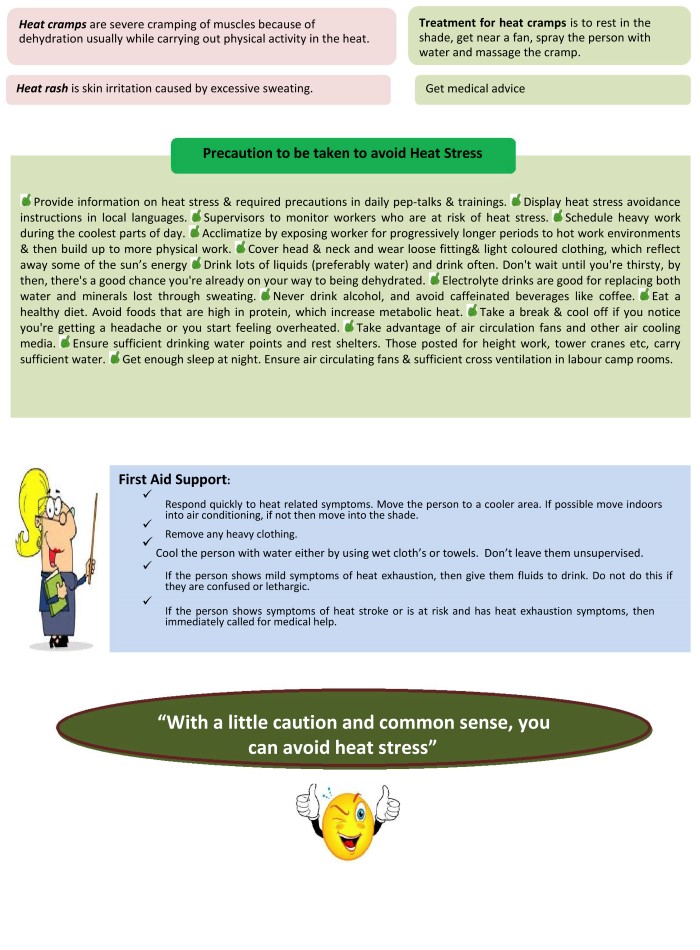
The infographics below illustrate the signs and symptoms of heat stress -- preventive measures and first aid treatments.
sc1
                                                                                    Signs and symptoms of heat stress
sc2


To know more about Masters PMC, visit - www.masterspmc.com

Contact us - +91 22 64567600

Best Environmental Practices in the Healthcare Sector

http://masterspmc.com/

The healthcare sector and especially hospitals account for a massive,but often neglected and sometimes even ignored impact on the environment and face high costs for  energy consumption, water and disposal of wastes. We know that climate change has the capacity to produce severe consequences for human health.
There is hence a need for greener hospitals that are at the heart of the healthcare sector. Without compromising on patient's-safety and comfort, many efforts can be made behind the scenes by hospital management through the application of best available practices and technological innovations.
With changing times, the healthcare sector should demonstrate its commitment towards corporate environmental and social responsibility.
A lacking of best environmental practices within our hospitals could impact staff, patient and population safety and could also lead to additional costs and overuse of natural resources.
Ideally hospitals should consider not only the medical treatment of the patients but also ensure that the services provided correspond to national and international environmental standards.
It is therefore of high importance to improve environmental management in the healthcare sector with a holistic approach and without decreasing the quality of services.
Areas which can contribute to GREEN HOSPITALS
Energy Efficiency
Electricity consumption has been growing steadily in Hospitals. By reducing a hospital’s energy consumption, it is possible to achieve the twin benefits of saving money and ensuring a less polluted environment for the local community.
Best Practices:
• Monitor  energy consumption regularly by checking  electricity meters at least once a month
• Identify areas/ equipment having high energy consumption
• Implement measures such as installing energy-efficient equipment
• Use solar collectors for hot water
• Use night-time temperature lowering thermostats
• Install several small boilers instead of one large boiler for load dependent operation
• Install double glazed windows
• For air-conditioning, check specific room parameters (temperature, humidity, air exchange)
• Check that air flow reductions are in place in unused rooms
• Clean and change air_conditioner filters regularly
Waste Management
Hospitals could generate up to many kilogrammes of waste per bed per day if not properly managed. Medical waste incineration is a leading source of dioxin, mercury and other dangerous pollutants that threaten human health and the environment
Best Practices:
• Understand waste categories and segregation: domestic wastes (paper, glass, plastics, etc.); regulated medical waste (biohazardous waste, potentially infectious medical waste, biomedical waste, etc.); hazardous waste; low-level radioactive waste
• Promote waste recycling: paper, plastics, glass, batteries, etc
• Encourage composting of wastes such as grass, leaves, flowers, etc
• Track the treatment and disposal costs of waste from individual sections and departments
• Promote recycling of paper, X-ray films and solutions, packing material, etc
Water Conservation
Many parts of the world are water stressed, and the ever-increasing population intensifies the problem. The prudent use of this invaluable natural resource is essential from a resource conservation perspective. Water use is driven by the number of in-patients and out-patients, equipment used, facility size, number and types of services, facility age and maintenance requirements.
Best Practices:
• Check the water supply system for leaks and turn off unnecessary flows
• Install automatic water volume controls that operate independently of the water pressure to control the amount of water
• Recycle and reduce water use wherever possible, consistent with health requirements.
• Wash only full loads in the dishwasher
• Reuse the rinse water from the dishwasher as flush water in garbage disposal units
• Water plants early in the morning or in the evening
• Consider using low-volume irrigation, such as a drip system
• Adjust the irrigation schedule for seasonal changes
Good Housekeeping
Cleanliness in hospitals is an important issue. Cleaning products are a major contributor to indoor air quality issues in closed environments. Many contain high levels of volatile organic compounds (VOCs) which can give rise to respiratory irritation, headaches and other symptoms for workers and building occupants.
Best Practices:
• Replace dust mops and cotton cloths with microfiber
• Purchase vacuum cleaners equipped with high-performance filters
• Vacuum before mopping
• Use advanced technology mop buckets to reduce the redistribution of dirt during cleaning
Toxic Materials
Healthcare institutions regularly use a significant amount of highly toxic materials. These toxins affect patients, hospital staff, and hospital visitors. The management of these materials is an essential part of a hospital’s day-to-day activities.
Best Practices:
• Examine all hospital departments and functional areas for the presence and use of toxic materials.
• Train the staff on how to safely use potentially hazardous substances.
• Check with pharmaceutical companies for specific information on proper disposal of expired pharmaceutical products
Green Purchasing
Healthcare facilities purchase thousands of different products requested by dozens of different departments. From eliminating unnecessary packaging, to seeking substitutes for products containing mercury or other toxic substances, purchasing decisions can have a major impact in providing environmentally friendly healthcare facilities.
Best Practices:
• Buy only what is needed (avoid unnecessary supplies)
• Buy in bulk rather than individually packaged items
• Buy recycled contents (office paper, paper towels, etc.)
• When purchasing new equipment, take their water and energy consumption into consideration
• Educate and train the purchasing department
• Use standard labels and choose the right suppliers
• Prefer reusable products to disposable products.

To know more about Masters PMC, visit - www.masterspmc.com

Contact us - +91 22 64567600

Monday, 4 April 2016

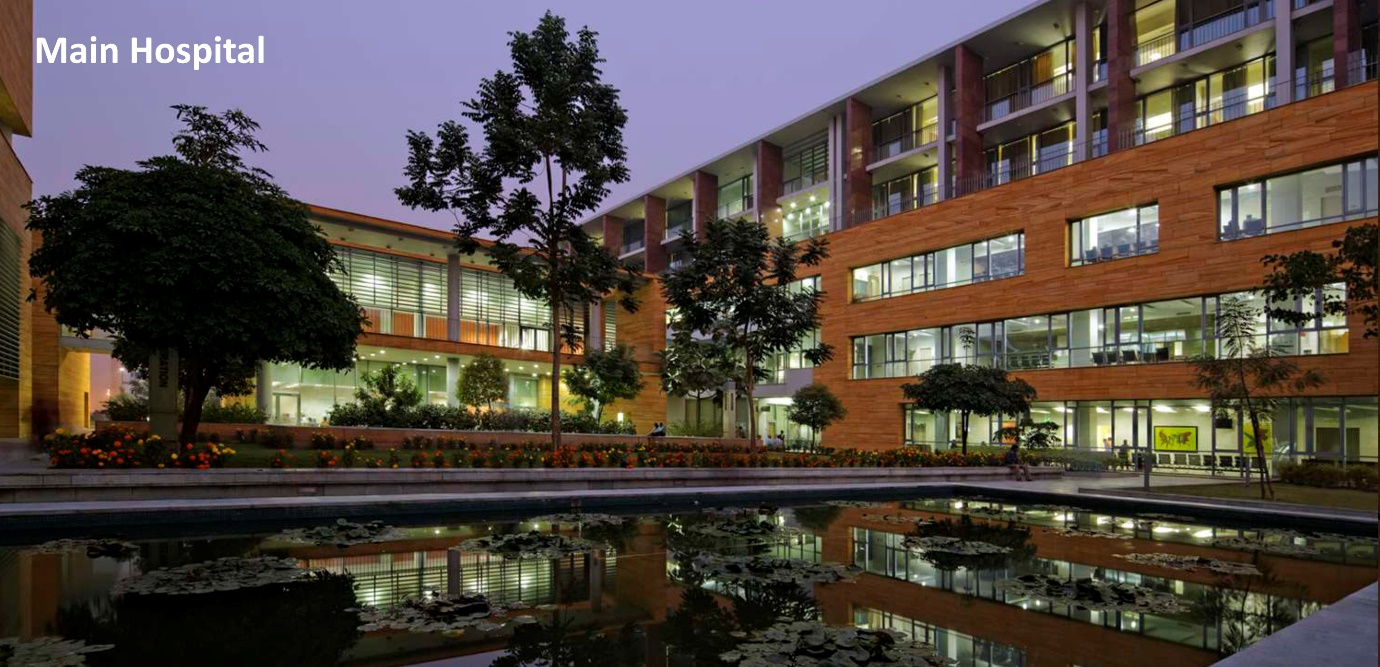
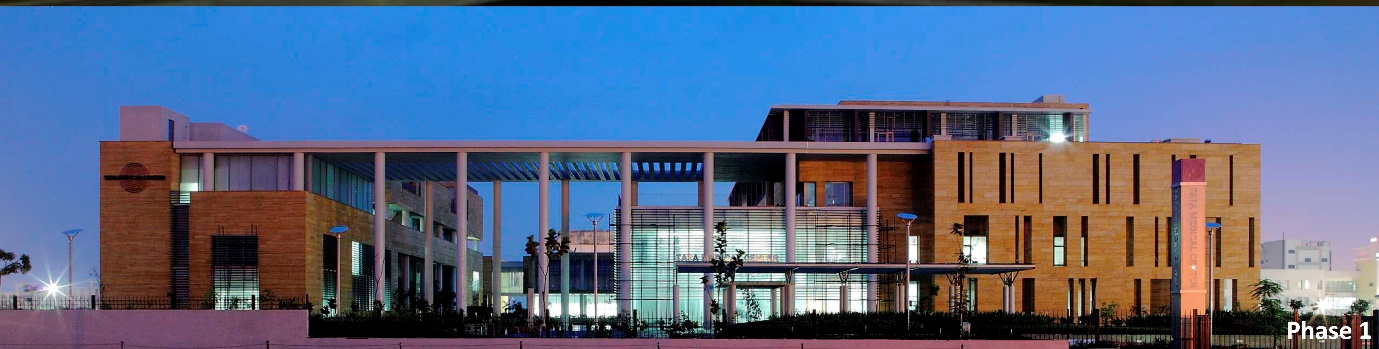
TATA MEDICAL CENTRE, RAJARHAT, KOLKATA

http://masterspmc.com/

Masters has recently been appointed for periodic cost and quality audits of the Tata Medical Centre, Phase II at Kolkata.
Background
A philanthropic initiative from the House of Tata, the Tata Medical Centre was set up at New Town in the Rajarhat area of Kolkata on 13 acres of land with a mission to promote prevention of cancer, to provide facilities for early diagnosis, treatment, rehabilitation and palliation to cancer patients, and to do research in cancer. 
The Phase I of the hospital, which was inaugurated in 2011, is a comprehensive Cancer Care Center with well-trained professional staff and equipped with modern facilities and contemporary medical equipment.
This state-of-the-art Hospital was set up with a strategic alliance and assistance from the Tata Memorial Centre, Mumbai, which is one of the premier national institutions for cancer prevention, treatment, education and research with 75 years of experience. It has been built on carefully landscaped grounds to emphasize the holistic approach in our crusade against cancer.
Diagnosis and treatment are characterized by a multi-disciplinary approach with Disease Management Teams, wherein experts from different streams – viz., surgical oncology, radiation oncology, medical oncology, pathology, radiology & nuclear medicine, psychiatry and medical social work, to name a few – participate in decision-making for treatment protocols, using evidence-based medical strategies and appropriate documented clinical guidelines.
The Hospital, with a capacity of 183 beds, serves all sections of the society, with 50% of the infrastructure earmarked for free or subsidized treatment for the underprivileged sections from across India as well as neighbouring countries such as Bangladesh, Nepal and Pakistan.
TMC -- Phase II
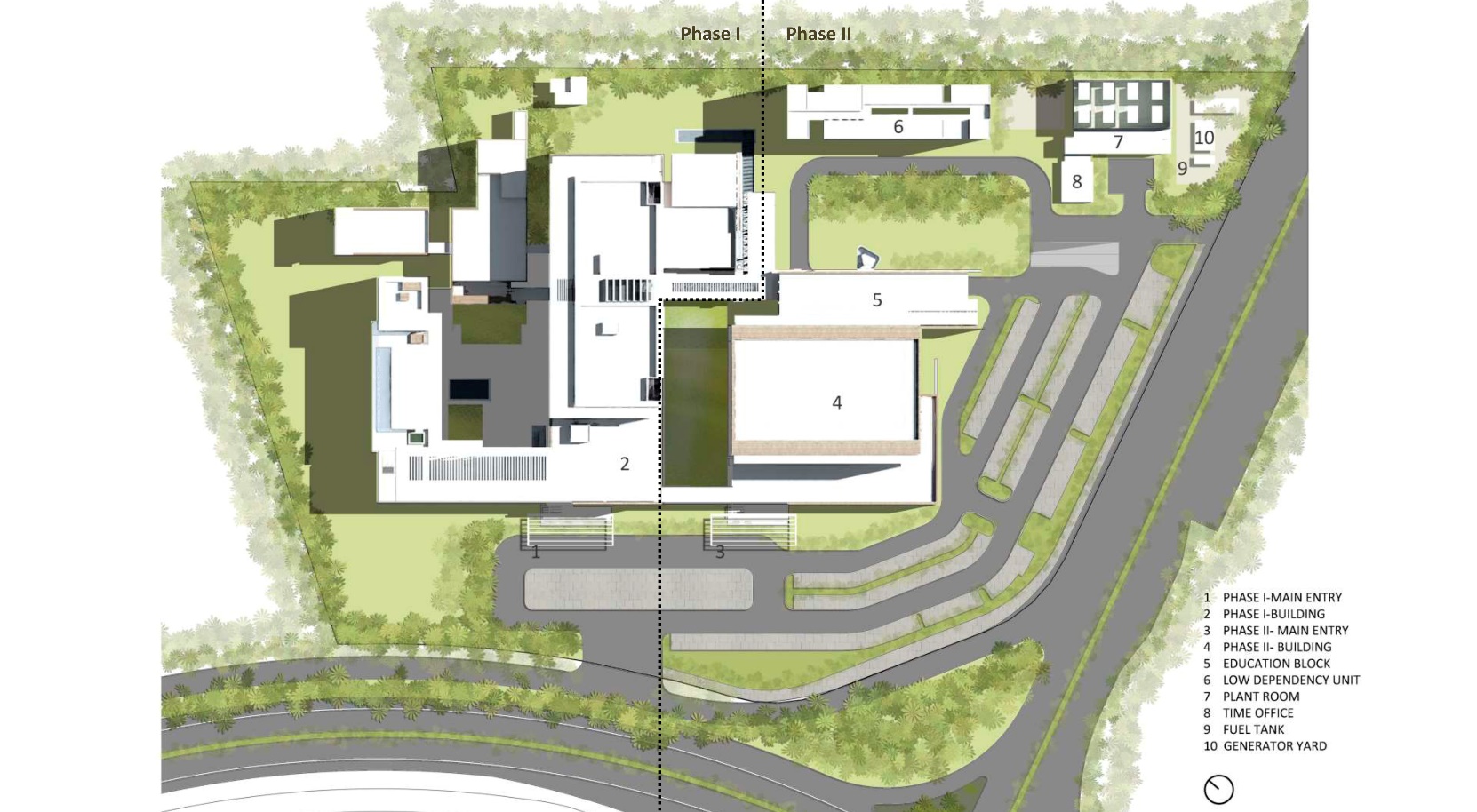
Phase II of the project, which is currently ongoing consists of a new wing for the Tata Medical Centre.
The project, which commenced in November 2014, consists of a Ground + 4 storey block of total area of 22,211 Sqm, with infrastructure and facilities, which will add value to the existing development. It is conceived to be in the same architectural style and with similar finishes as Phase I.
Masters’ Role
Masters’ role in this project is to work with Ar. Hiranmay Biswas in periodically reviewing the project progress against established budget, quality and time parameters and reporting on these to the Trustees.
Project consultants include --
Project Architect Canon Design International Private Limited
Interior Architect,Functional Planner & Liaison Architect  Carambiah & George
Structural Consultants Tata Consulting Engineers Limited
MEP Consultants Tata Consulting Engineers Limited
Project Management Consultants  Tata Consulting Engineers Limited


Project Photographs
Plan
tm1
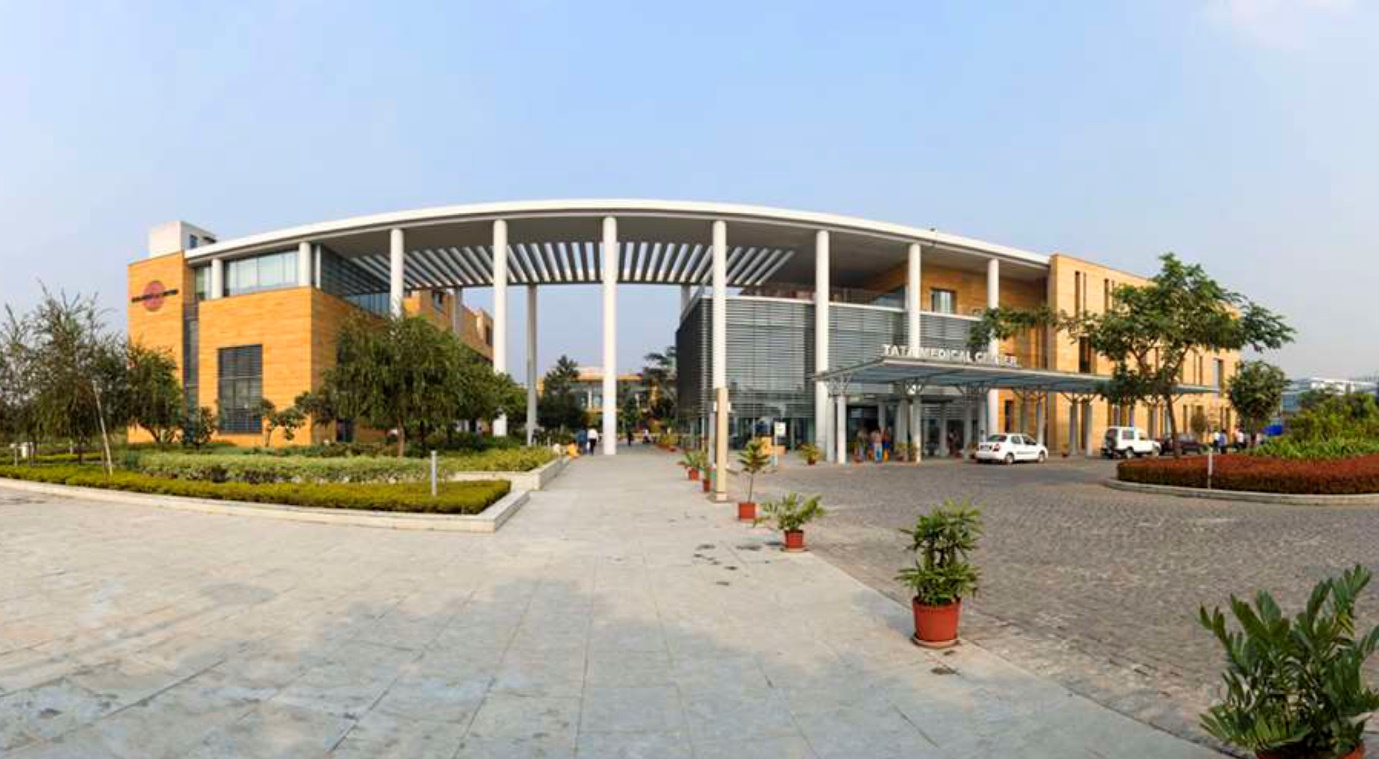
 Phase I exterior
tm2

  Phase I courtyard
tm3
 Phase I at night
tm4
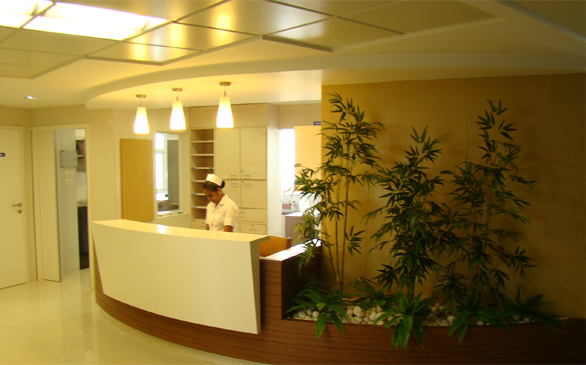
 Phase I main lobby
tm5


To know more about Masters PMC, visit - www.masterspmc.com

Contact us - +91 22 64567600

BREACH CANDY HOSPITAL, MUMBAI

http://masterspmc.com

Located in South Mumbai, 175-bed Breach Candy Hospital which started off as a humble nursing home in the 1950’s has expanded to become one of the most recognised multi-specialty tertiary care units in the country.

Although it is not uncommon to come across a popular Bollywood star or a celebrity being discretely treated in its premises (who can forget the throngs of admirers praying for Amitabh Bachchan’s recovery after his near-fatal, on set accident in 1982), the hospital also has a separate ward for free and subsidised patients, ‘Godrej Wing’ established in 1975, which comprises 26 inpatient beds focuses on the underprivileged section of the society. In addition, all critically ill patients are treated in the common ICU. There is also charitable OPD run by the hospital on a daily basis where needy patients are seen free of cost by consultants of all specialties (and medicines also provided free).

A few years ago, the Breach Candy Hospital Trust decided that it was time to overhaul its wards to match with its several improvements in medical equipment, technology and services.
It was then that Masters’ was called in to manage the work, which had to take into account the complexities of remodelling and renovation within a fully functional building filled with patients, who should not be unduly disturbed.

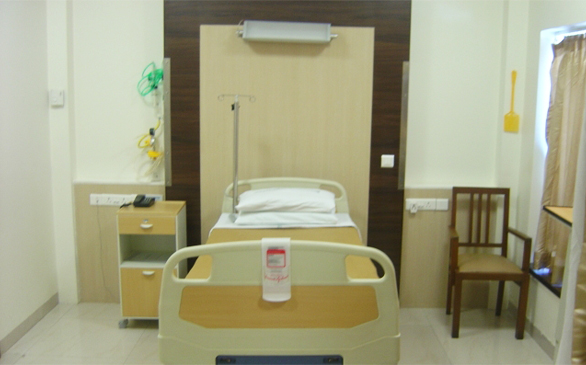
Our scope included PMC of the renovations, including structural strengthening works and complete refurbishment of two wards and the VVIP ward with a total built-up area of 11,500 sq. ft. executed in 17 months.

BC1 
BC2 
BC3 


To know more about Masters PMC, visit - www.masterspmc.com

Contact us - +91 22 64567600